Safety at Innova
Safety planned into every day on the job.
Roofing work takes place above active businesses, employees, customers, valuable equipment, and occupied spaces. A safe project protects all of them.
At Innova Roofing & Metal, safety begins before work starts. We plan access, staging, fall protection, daily activities, and communication around the conditions of the property and the people using it.
Our goal is straightforward: protect everyone involved, protect the building below, and complete the work without creating unnecessary risk or disruption.
Louisville, Kentucky · Serving Kentucky, Indiana, and Ohio
Why Safety Matters
Protecting more than the roof.
Roofing safety is not limited to the people working above the building. Every decision made on the roof can affect the employees, customers, tenants, equipment, inventory, vehicles, and operations below it. That is why we look at the entire property when planning the work.
01
People
We consider our crews, your employees, tenants, customers, visitors, and anyone else who may enter or move around the property while work is underway.
02
Property
Materials, tools, equipment, roof access, and debris must be managed carefully to protect the building, vehicles, landscaping, inventory, and interior spaces.
03
Operations
Access, staging, deliveries, noise, odors, and active work areas are planned around the normal operation of the facility whenever conditions allow.
04
Public Access
Entrances, sidewalks, parking areas, loading zones, and other shared spaces require clear controls and communication while roofing work is taking place.
Our Safety Process
Planning starts before anyone steps onto the roof.
Every property and roofing scope presents different conditions. We review those conditions, establish expectations, and communicate the plan before work begins.
01
Pre-Job Planning
We review roof access, edges, openings, rooftop equipment, staging areas, deliveries, ground-level activity, occupied spaces, and other project-specific concerns before mobilization. The safety approach is adjusted to the building, scope of work, and conditions we expect to encounter.
02
Daily Crew Preparation
Before work begins, the crew reviews the day’s activities, changing conditions, access restrictions, equipment needs, and individual responsibilities. New hazards or unexpected conditions are addressed before the affected work proceeds.
03
Fall Protection and PPE
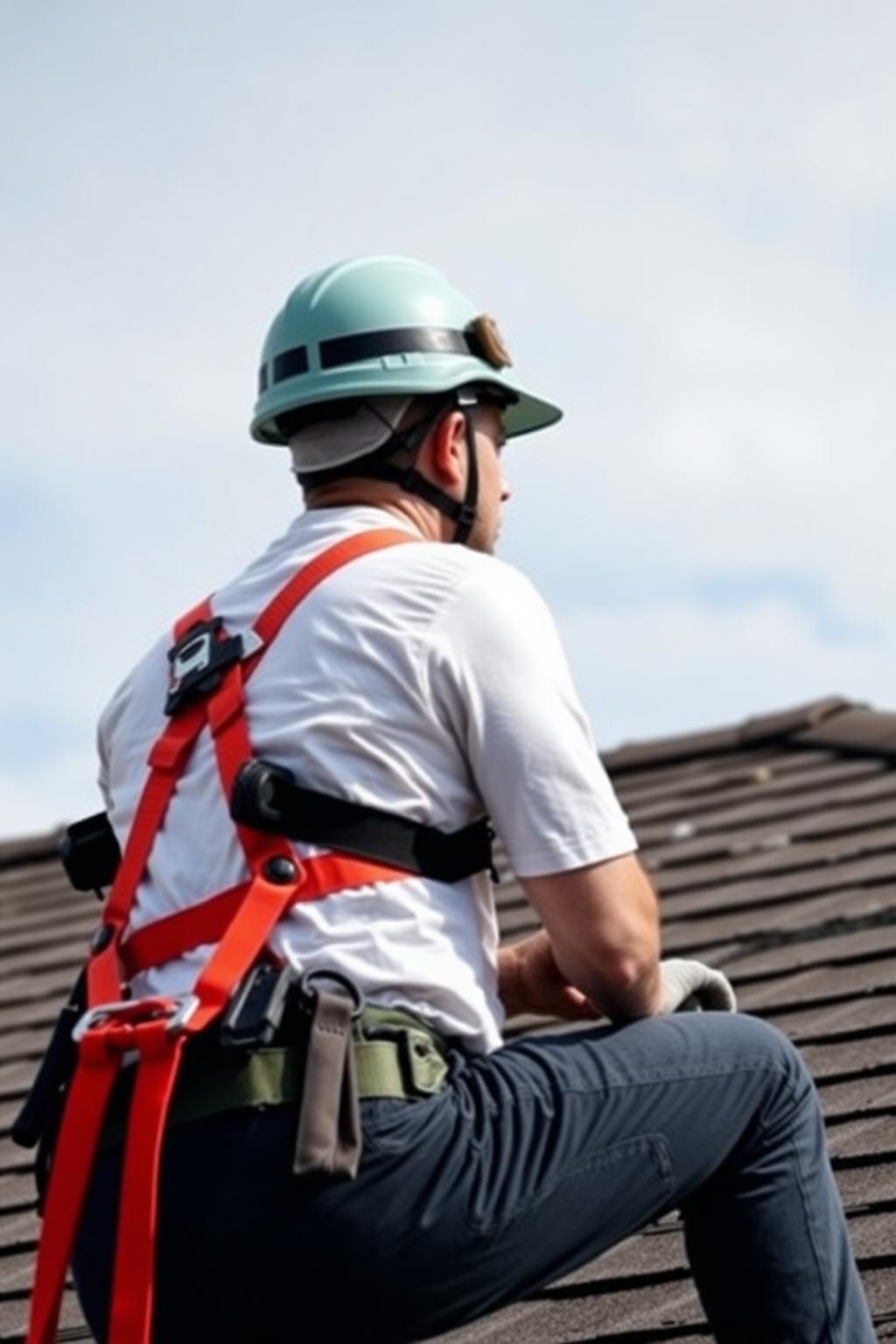
Crew members are expected to use the personal protective equipment and fall-protection systems required for their work and the conditions of the roof. Roof edges, openings, access points, and other fall hazards are identified and controlled using the appropriate equipment and work practices.
04
Site Control and Housekeeping
Materials, tools, equipment, and debris are kept organized throughout the project. Access routes and work areas are maintained so hazards do not accumulate as the job progresses. Ground-level areas are controlled when roofing work could affect employees, customers, vehicles, or the public below.
05
Communication and Daily Securement
We communicate changing conditions, upcoming disruptions, and safety concerns with the appropriate client contact. At the end of the workday, materials and equipment are secured and the site is left protected for the building’s normal operation.
What Clients Can Expect
Safety that respects the building below.
A roofing contractor is responsible for more than the work happening on top of the building. We plan the project around the people, property, and operations beneath it.
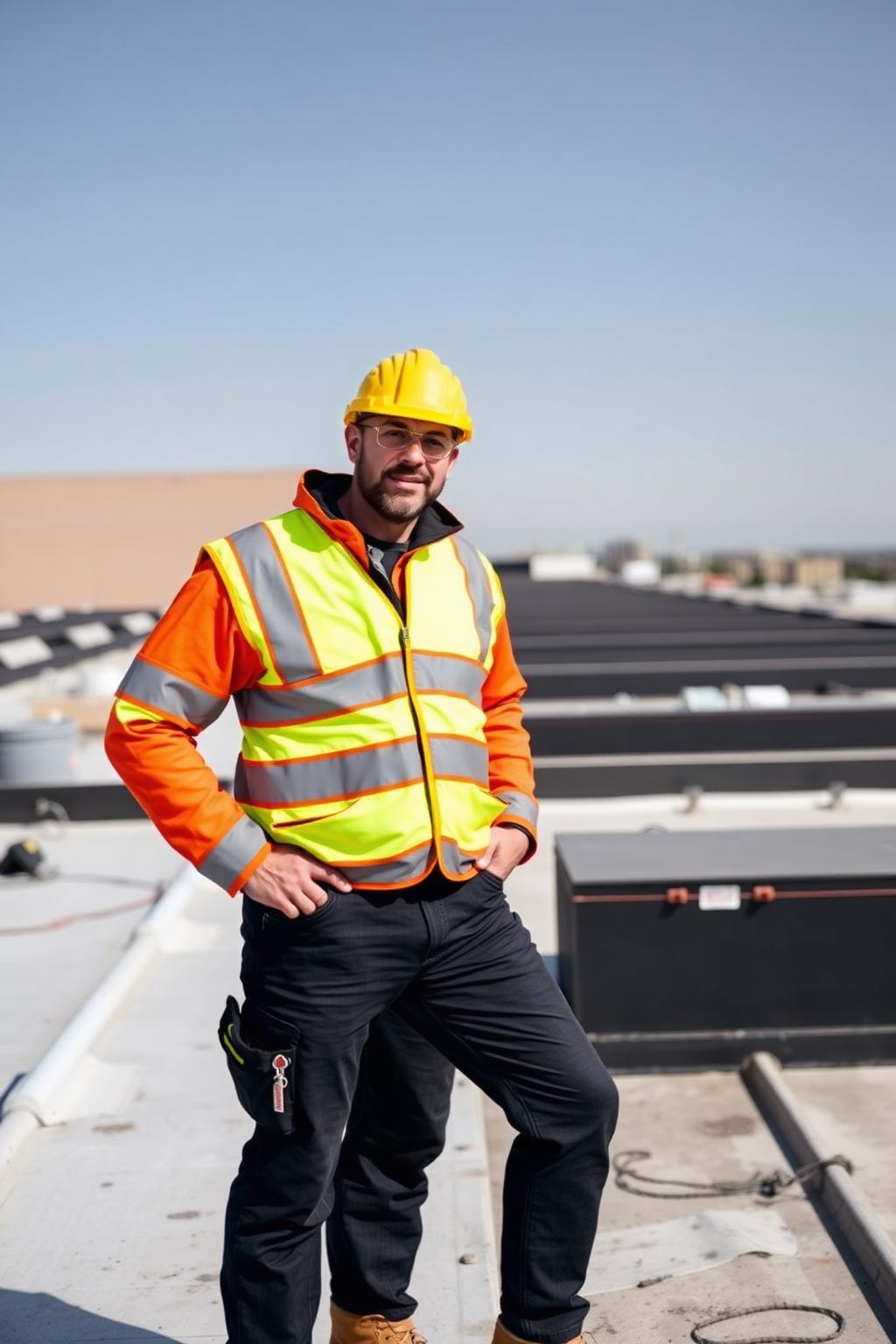
- Occupied-Building Coordination
- We discuss operating hours, sensitive areas, employee and customer access, scheduled deliveries, and other facility concerns before work begins. When the work may affect normal activity, we communicate what is happening and what the property team should expect.
- Controlled Access and Staging
- Roof access, material deliveries, equipment placement, dumpsters, loading areas, and ground-level work zones are planned to reduce conflicts with employees, visitors, vehicles, and facility operations.
- Interior and Property Protection
- We consider what is located beneath the work area, including equipment, inventory, finished spaces, customer areas, and active production environments. Known sensitive areas should be identified before work begins so the project plan can account for them.
- Clean and Secure Work Areas
- Tools, materials, fasteners, packaging, and debris are managed throughout the day. Work areas are cleaned and secured so the property can continue operating as safely as possible.
Clear Project Communication
The client receives updates about progress, changing conditions, access concerns, and upcoming activities that could affect the property. Questions and concerns are addressed directly rather than being left for the client to discover.
Clear Expectations
Everyone on the job is responsible for working safely.
Safety depends on people understanding the plan, recognizing hazards, and speaking up when conditions change.
Everyone working on an Innova project is expected to follow the project’s safety requirements, use the required protective equipment, maintain an organized work area, and report unsafe conditions when they are identified.
Supervisors and crew leaders are responsible for communicating expectations, addressing hazards, and making sure the work follows the project plan.
The same expectations apply throughout Innova’s scope. Safety requirements do not change because the project is small, the schedule is tight, or the work appears routine.
Pre-Job Planning
Project conditions reviewed before mobilization
Daily Safety Review
Work activities and changing conditions discussed with the crew
Required PPE
Protective equipment selected for the work being performed
Project Accountability
Unsafe conditions addressed before affected work continues
Plan the Work Carefully
A safer project starts before anyone steps onto the roof.
Every property presents different access, occupancy, staging, and operating conditions. The earlier those conditions are discussed, the better the project can be planned.
Tell us about your building, the roofing problem, and any concerns surrounding the property. We will help you understand the work involved and what should be considered before it begins.
Dealing with an active commercial roof leak? Call 502-232-9163 for 24/7 emergency response.